News & Events
Education Should Prepare Students for Life, Not Just a Job
Schools have long been expected to prepare students for the workforce. But as AI reshapes the workplace, knowledge alone is no longer enough to succeed in the world. Instead, the ability to apply knowledge, to solve problems, and to collaborate may be more crucial than the information itself.
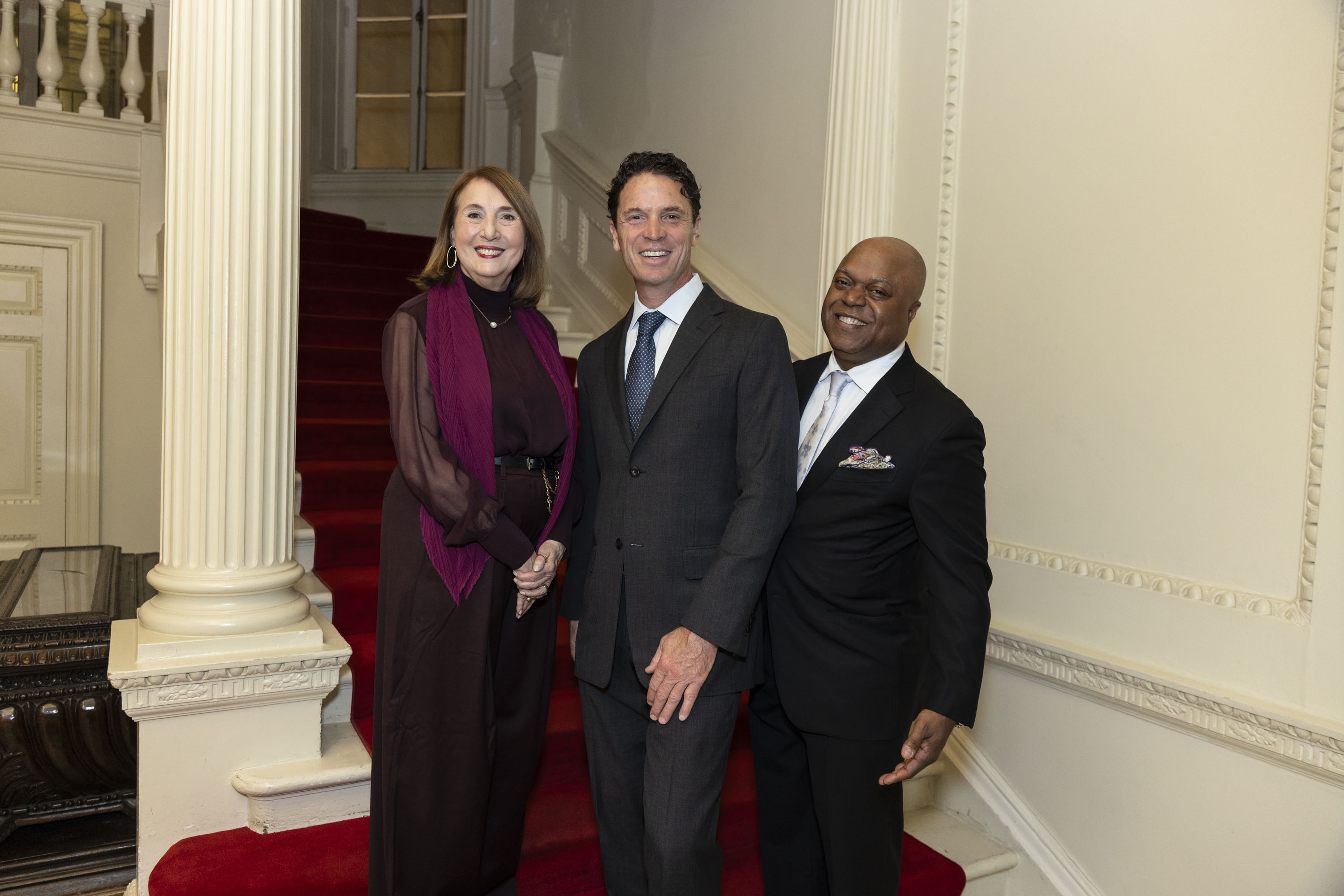
That was a central message at “Optimizing Learning for a Volatile World,” a live virtual panel held Oct. 6, 2026, featuring 2025 McGraw Prize in Education winners Frederic Bertley, Cathy Davidson, and Rapelang Rabana and Joe Wolf. Moderated by 2014 McGraw Prize winner Chris Lehmann, the discussion centered on how educators can best prepare students for an uncertain future.
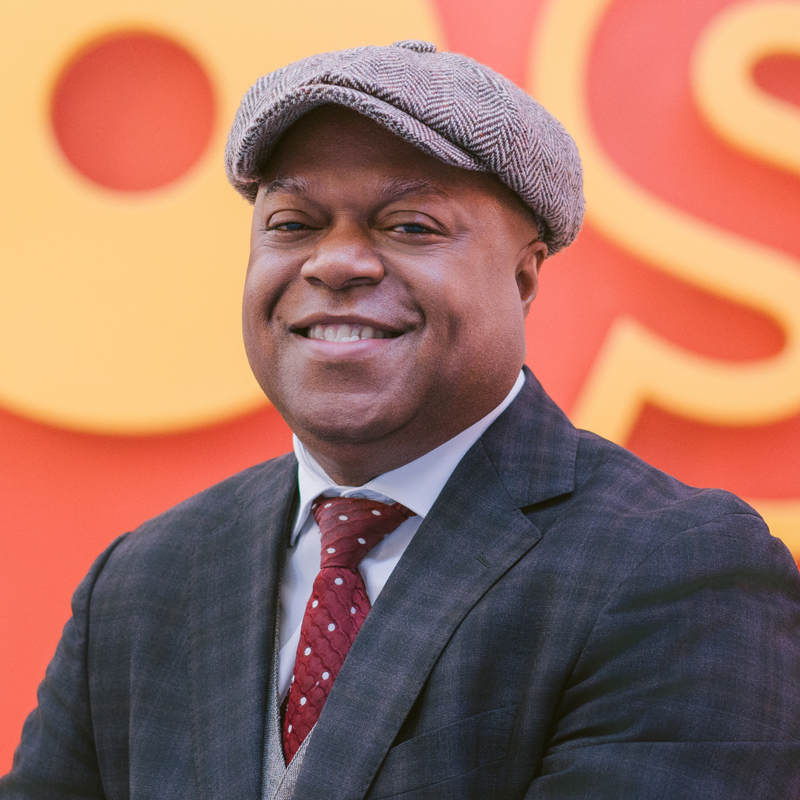
In introducing the panel, John Silvanus Wilson, Jr., executive director of the McGraw Center for Educational Leadership, said the goal was “to explore bold ideas and innovative strategies shaping the future of education worldwide.”
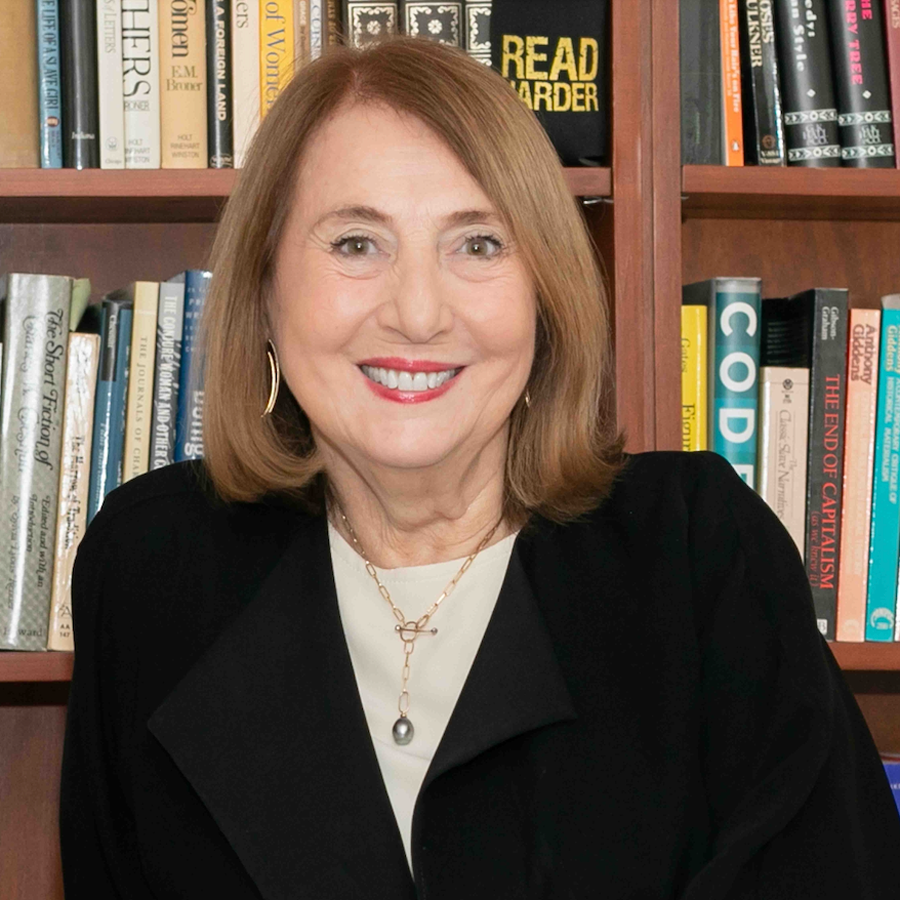
Davidson, distinguished professor, founder of the Futures Initiative, the CUNY Graduate Center, and senior advisor to the chancellor, the City University of New York (CUNY), argued that schools must prepare students for something broader: what she calls “world readiness.”
“Education should not only be preparing students for a job; it has to prepare them for what I keep calling world-readiness,” Davidson said. “And that includes curiosity, imagination, and a sense that I can take a risk.”
That shift requires rethinking what schools teach, how they measure success and whether students are developing the confidence to face an unpredictable future.
The panel participants agreed that what were once dismissed as “soft skills,” such as the ability to communicate or to problem-solve and collaborate, are more important than ever.
Bertley, president and CEO of the Center of Science and Industry (COSI) and CEO of the National Veterans Memorial and Museum, argued that “soft skills” should be re-branded as “success skills” since they’re so essential in today’s world. Knowing how to write code, for example, is less valuable than being able to generate new ideas for how that code can be applied in the real world.
“We all have these computers in our pockets that give us instant content for everything we want,” said Bertley. “The bigger challenge is learning how to interpret and use that information.”
Education should do more than transmit knowledge. It should help students develop the curiosity to ask questions, the imagination to consider new possibilities, and the confidence to experiment.
Rabana, who, along with Joe Wolf, is co-CEO of Imagine Worldwide, argued that skills such as communication, collaboration, and the ability to respond to challenges cannot be developed through textbooks alone. They emerge through experiences that challenge students at the right level. “You can’t read your way to grit. You have to have experiences that are increasingly more difficult to develop grit,” said Rabana.
The question is: how do educators teach “soft skills” such as collaboration, leadership, negotiation skills, or the ability to persevere?
Students develop not simply by receiving information, but by confronting difficulties and learning how to respond. Improvement comes through practice, feedback, and customized challenges tailored to a learner’s needs.
Davidson pointed to a successful example from another university where she worked.
“One basic education course spent a whole year where people studied the word ‘soil’ and looked at it from every possibility—religious possibilities, artistic possibilities, and scientific possibilities,” she explained. So students needed to learn essential knowledge, but they were doing it from various perspectives crossing numerous departments. “You have to know the instrumentation, but you’re doing it within a context which is completely new and creative and teaches curiosity skills,” Davidson said.
For the panelists, preparing students for an uncertain future requires rethinking not only what is taught, but also how. It also means recognizing that educational innovation must account for unequal resources and specialized local needs.
Rabana’s and Wolf’s work at Imagine Worldwide, which uses offline adaptive learning technology in underserved communities in sub-Saharan Africa, reflects this emphasis on designing education around learners’ circumstances. Their work highlights the importance of making learning opportunities accessible to students who may not have reliable access to technology or other educational resources.
Wolf emphasized that technology cannot replace the human side of education. “What humans do well is we connect. We mentor. We coach. We relate,” he said.
The panel was part of a series presented by Catalyst @ Penn GSE, featuring winners of the Harold W. McGraw, Jr. Prize in Education. Learn more about the McGraw Center for Educational Leadership.