News & Events
Sal Khan: AI Tutors Need Human Input
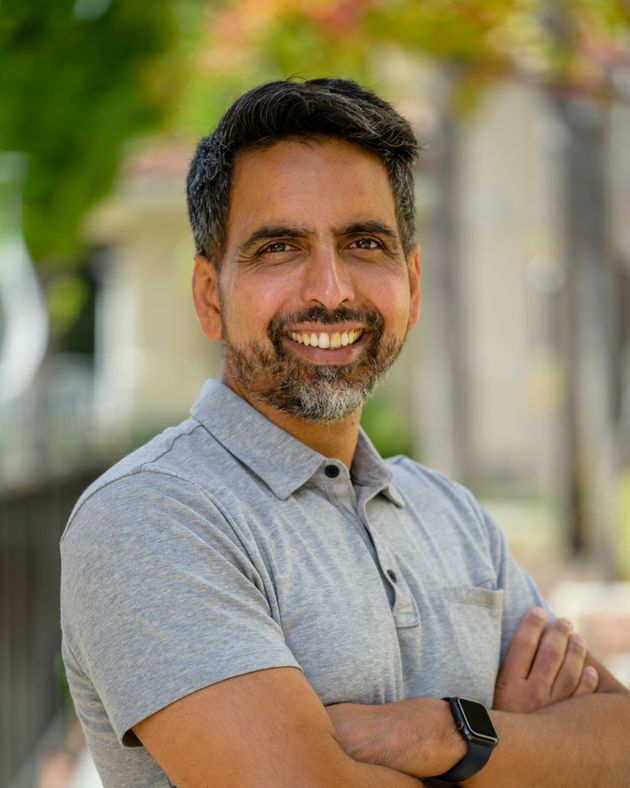
Sal Khan, founder of Khan Academy and recipient of the 2012 Harold W. McGraw, Jr. Prize in Education, shared new insight recently on the importance of a social component in AI learning.
Just a few years ago, in a widely seen TED talk, Khan predicted that AI could provide an “amazing personal tutor” to every student. That vision became Khanmigo, Khan Academy’s AI-powered learning assistant, which has grown from roughly 40,000 students in 2023 to nearly 1 million today.
But the experience has also exposed a fundamental challenge: giving students access to an AI tutor does not necessarily mean they will learn.
As The Atlantic recently reported, Khan and his team have found that student engagement with Khanmigo has stagnated even as the technology’s reach has grown. Khan Academy's own internal metrics revealed that only about 15% of students who had access to Khanmigo actually chose to click on the icon and use it.
AI can reproduce many of the teaching tasks a tutor performs, but it cannot yet recreate the human connection that motivates students to genuinely engage with learning. Khan continues to see considerable potential for AI in education, but his outlook has become more measured.
“I just view it as part of the solution; I don’t view it as the end-all and be-all,” he said.
But Khan has never viewed AI as a substitute for teachers or a solution on its own. In fact, he said, “I think our biggest lever is really investing in the human systems.”
AI can greatly expand what technology is capable of, but the real opportunity lies in strengthening and rethinking the human side of education so that teachers and students can fully benefit from those advances.
In a recent post on his LinkedIn page, Khan explained that Khanmigo hasn’t failed. It’s constantly improving based on feedback from users. “If we are serious about helping students learn, especially students who are not already well-served, then we have to be honest about what is working, what is not working yet, and what needs to get better,” he wrote.